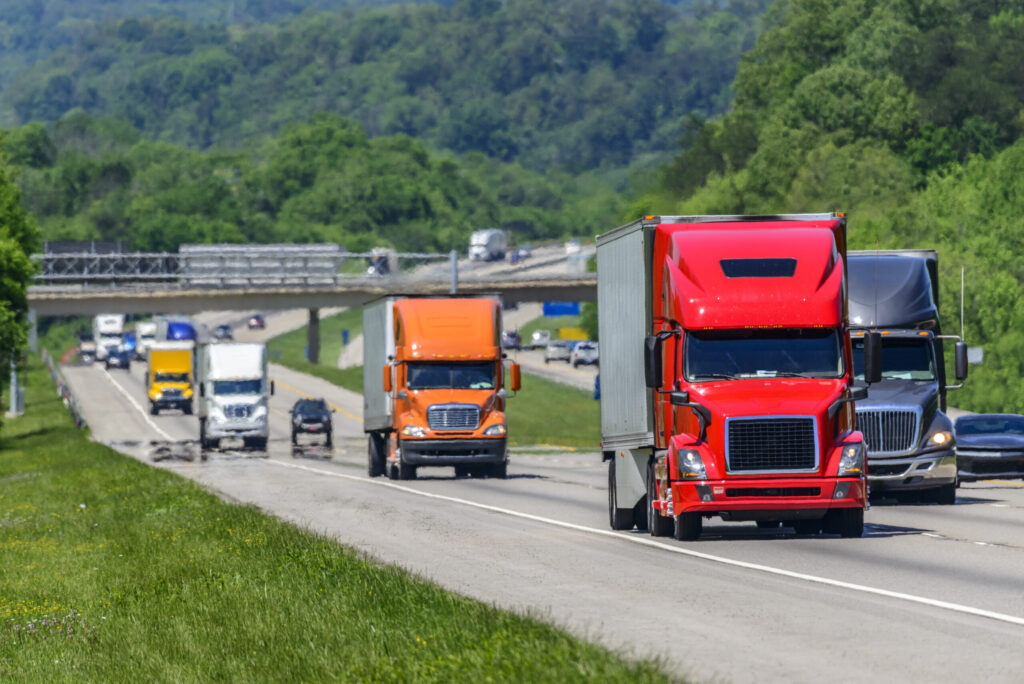

What Is Freight Factoring? Get Paid Fast
If you’re a trucker or own a small fleet, chances are you’ve dealt with the frustration of waiting 30, 60, or even 90 days to get paid for loads you already delivered. Bills don’t wait that long — fuel, insurance, truck payments, they all want their money now. That’s where freight factoring comes in.
In simple terms, freight factoring lets you sell your unpaid invoices to a company that pays you right away — usually within 24 hours. They take a small cut (typically 1% to 5%), and then they collect the full amount from the broker or shipper when it’s due. You get your money fast, they make a profit on the wait. Everyone wins.
How the Whole Process Actually Works
I know “selling your invoices” might sound complicated, but it’s really not. Here’s what a typical day looks like when you’re using a factoring company:
You deliver a load and get your proof of delivery signed. Instead of sending the invoice to the broker and playing the waiting game, you send it to your factoring company — most have apps now where you can just snap a photo of the paperwork from your cab. They verify everything (usually takes a couple hours), and then boom — money hits your account, often the same day.
The factoring company then goes and collects the full invoice amount from your broker. Once they get paid, they send you whatever’s left over minus their fee. So if they advanced you 90% upfront on a $2,000 invoice and their fee is 3%, you’d get $1,800 right away, and then another $140 once the broker pays them (that’s the remaining $200 minus $60 in fees).
Recourse vs. Non-Recourse — The Two Flavors
You’ll hear these terms a lot, so let me clear them up real quick.
Recourse factoring means if your broker stiffs the factoring company, you’re responsible for paying that invoice back. Sounds scary, but in practice it rarely happens — the factoring company checks your broker’s credit before they agree to factor the invoice. Rates are lower, usually 1% to 3%.
Non-recourse factoring means if the broker goes bankrupt and can’t pay, the factoring company eats that loss, not you. The catch? Higher rates (3% to 5%), and they’re pickier about which brokers they’ll approve. Also, “non-recourse” usually only covers bankruptcy — not disputes or slow payments. Read the fine print. We dig deeper into this topic in our recourse vs non-recourse comparison guide.
What Does It Actually Cost?
The headline number is the factoring rate — somewhere between 1% and 5% per invoice. But that’s not the whole picture. Some companies charge extra for wire transfers, monthly minimums, or account maintenance. Others roll everything into one flat rate with no surprises.
Your rate depends mostly on volume. If you’re factoring $50K+ a month, you’ll get much better rates than someone doing $10K. The creditworthiness of your brokers matters too — factoring for a top-20 broker is less risky for the company, so they’ll give you a better deal.
For a full breakdown with real numbers, check out our guide to freight factoring rates.
Why Truckers Use Factoring Instead of Loans
I get asked this all the time: “Why not just get a line of credit from the bank?” And sure, if you can qualify for a business loan with great terms, that might make sense. But here’s the reality for most truckers, especially newer ones:
Banks want years of business history, strong credit scores, and collateral. They take weeks to approve anything. And if you miss a payment, it hits your credit.
Factoring is different. There’s no debt involved — you’re selling an asset, not borrowing money. The factoring company cares about your customers’ credit, not yours. And you can usually get approved and funded within a day or two of applying. For a new owner-operator who just got their authority, that’s a game-changer.
What to Watch Out For
Factoring isn’t perfect, and I want to be upfront about the downsides too:
It costs more than waiting for payment. If your customers pay in 30 days and you have the cash to wait, factoring eats into your margins. It’s a trade-off between speed and cost.
Some contracts are hard to leave. Watch out for long-term contracts with early termination fees. Plenty of companies offer month-to-month or no-contract options — stick with those until you’re sure.
Not all factoring companies are created equal. Some have terrible customer service, hidden fees, or slow funding. Do your homework. That’s literally why we built this site — to help truckers compare their options honestly.
Is Factoring Right for You?
If you need steady cash flow and can’t afford to wait a month or more for brokers to pay, factoring is probably worth it. The cost of not having cash — missing fuel discounts, turning down good loads, juggling bills — usually outweighs the factoring fee.
If you’re sitting on a healthy bank account and your customers pay quickly, you might not need it. But even established carriers sometimes use factoring selectively for certain customers or during slow seasons.
Want to compare your options? Head over to our homepage where we rank the top factoring companies, or check the FAQ page if you’ve got more specific questions.
Related Resources
Freight Factoring USA Editorial Team
15+ years combined experience in trucking logistics and freight finance. We interview real truckers, verify rates directly with companies, and update our reviews quarterly. Our mission: help carriers make informed factoring decisions.

![Freight Factoring Rates: 1-5% Explained [2026]](https://freightfactoringusa.com/wp-content/uploads/2024/10/iStock-1289928297-2-1024x683.jpg)